The History of Lönnrot School
The Kajaani City Council approved the proposal of the Elementary School Committee to build a new elementary school at its meeting on April 12, 1922 (minutes § 98).
Council’s decision: "The proposal was fully approved and it was decided that the school building would be constructed entirely within the current year. Therefore, the city architect was tasked with reviewing the estimates for the current year and making a proposal on which works, if any, could be postponed to be carried out in the following year. The preparation of the final plans for the school building, the supervision and management of the construction work and the execution of other tasks related to the construction were assigned to the building committee." (Minutes of the Kajaani City Council, April 12, 1922, § 98).
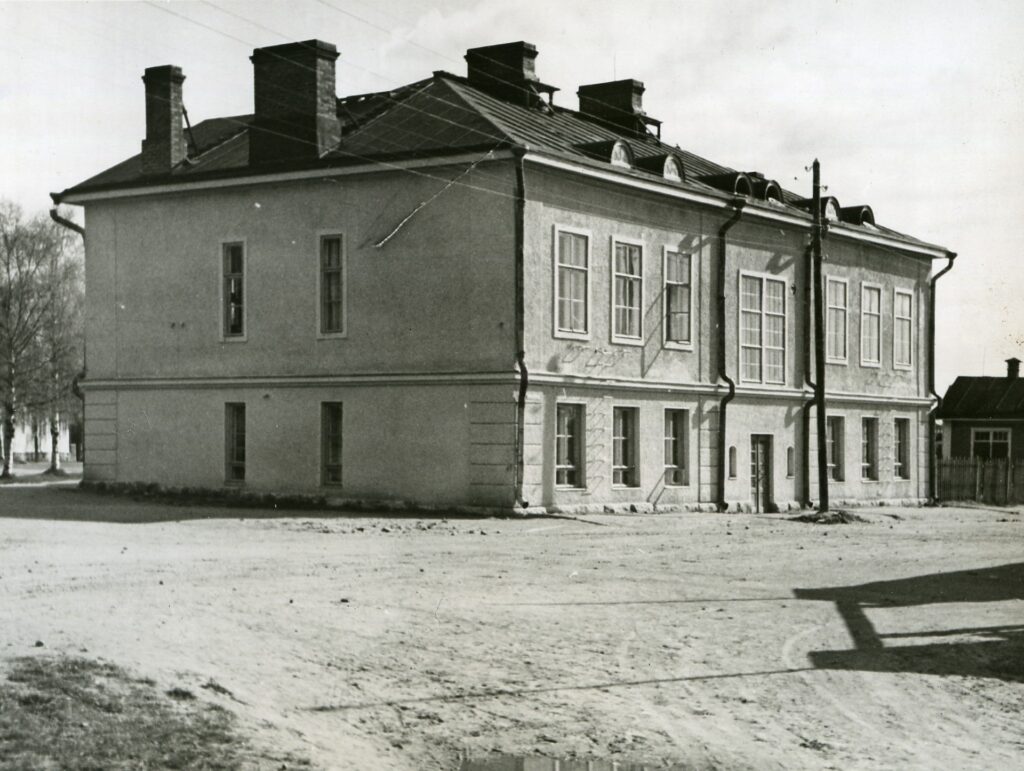
Lönnrot School Building
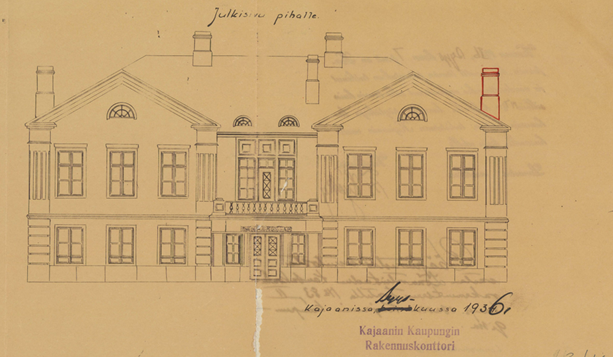
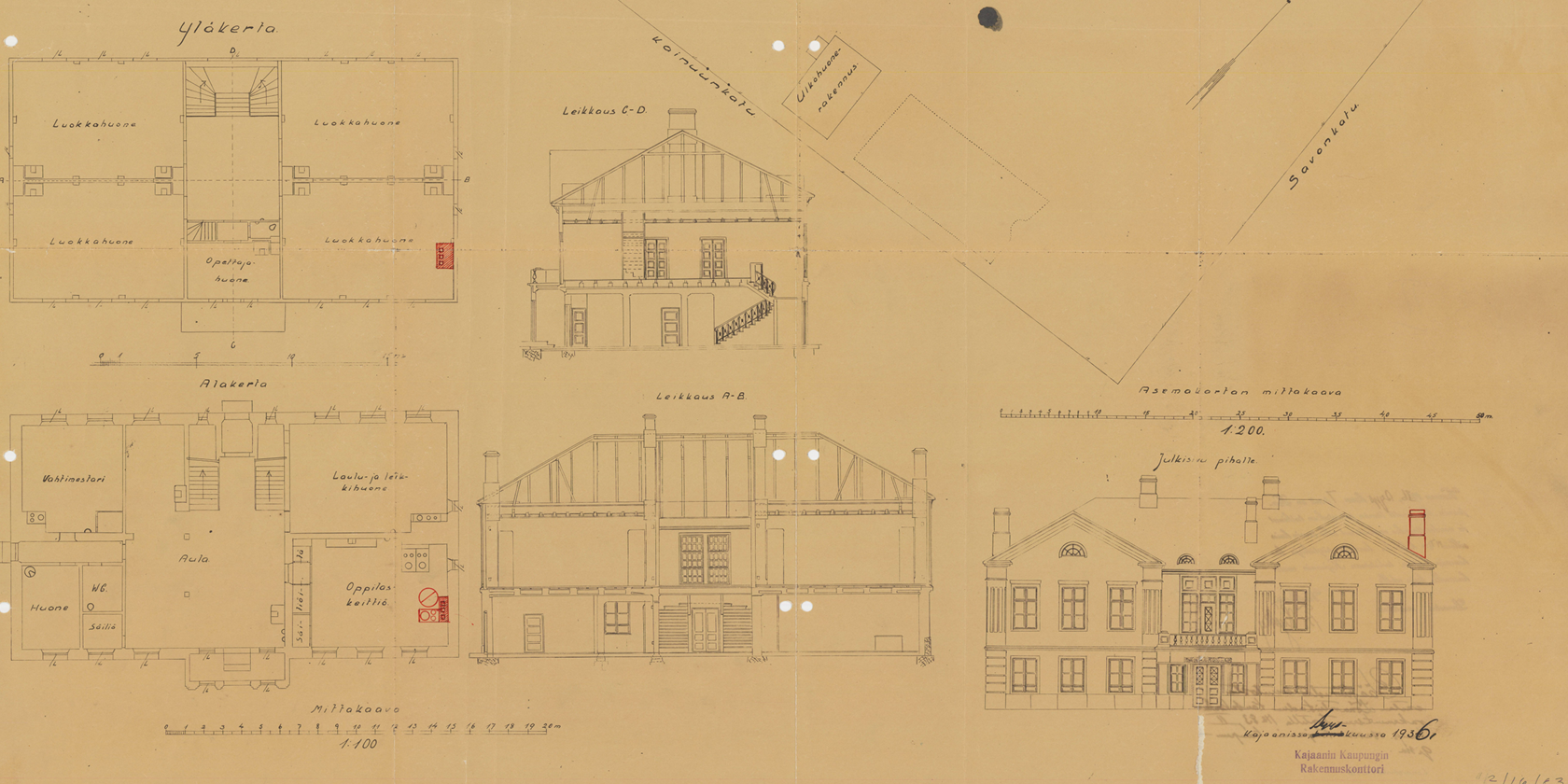
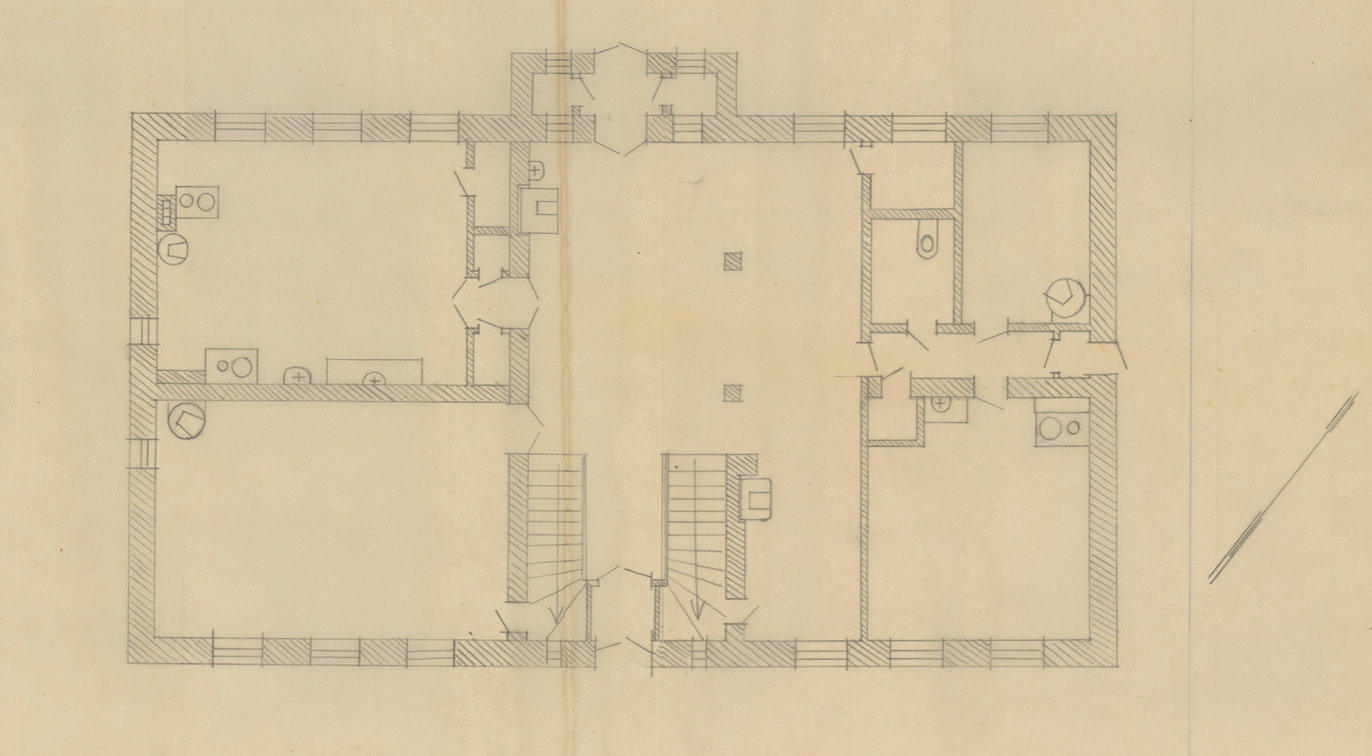
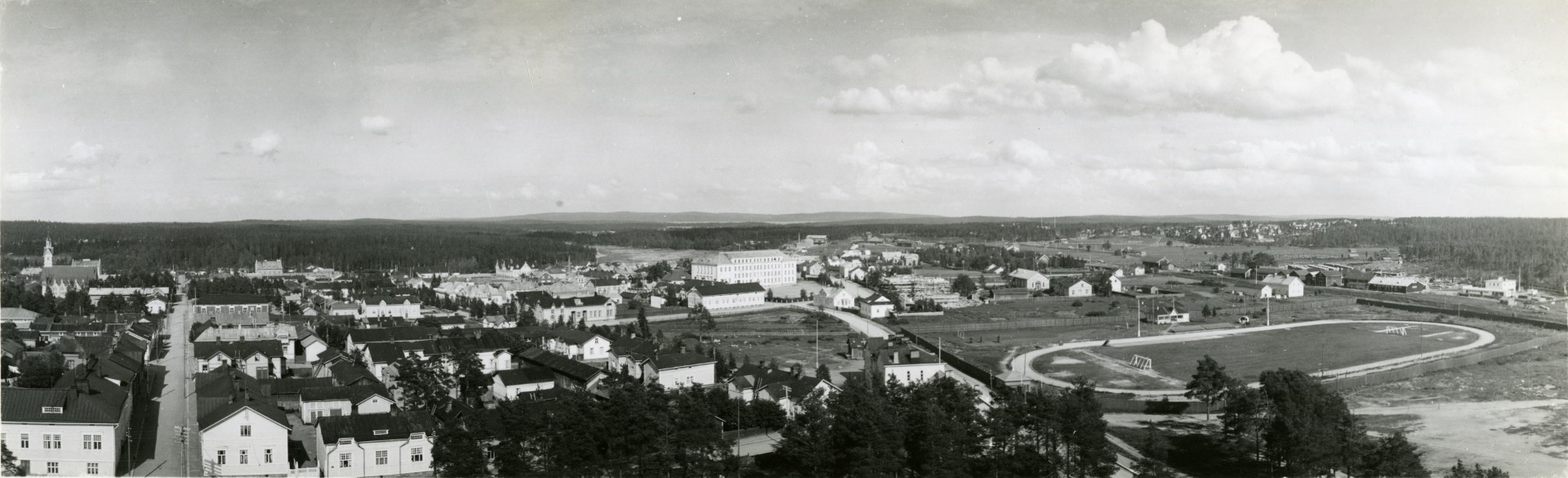
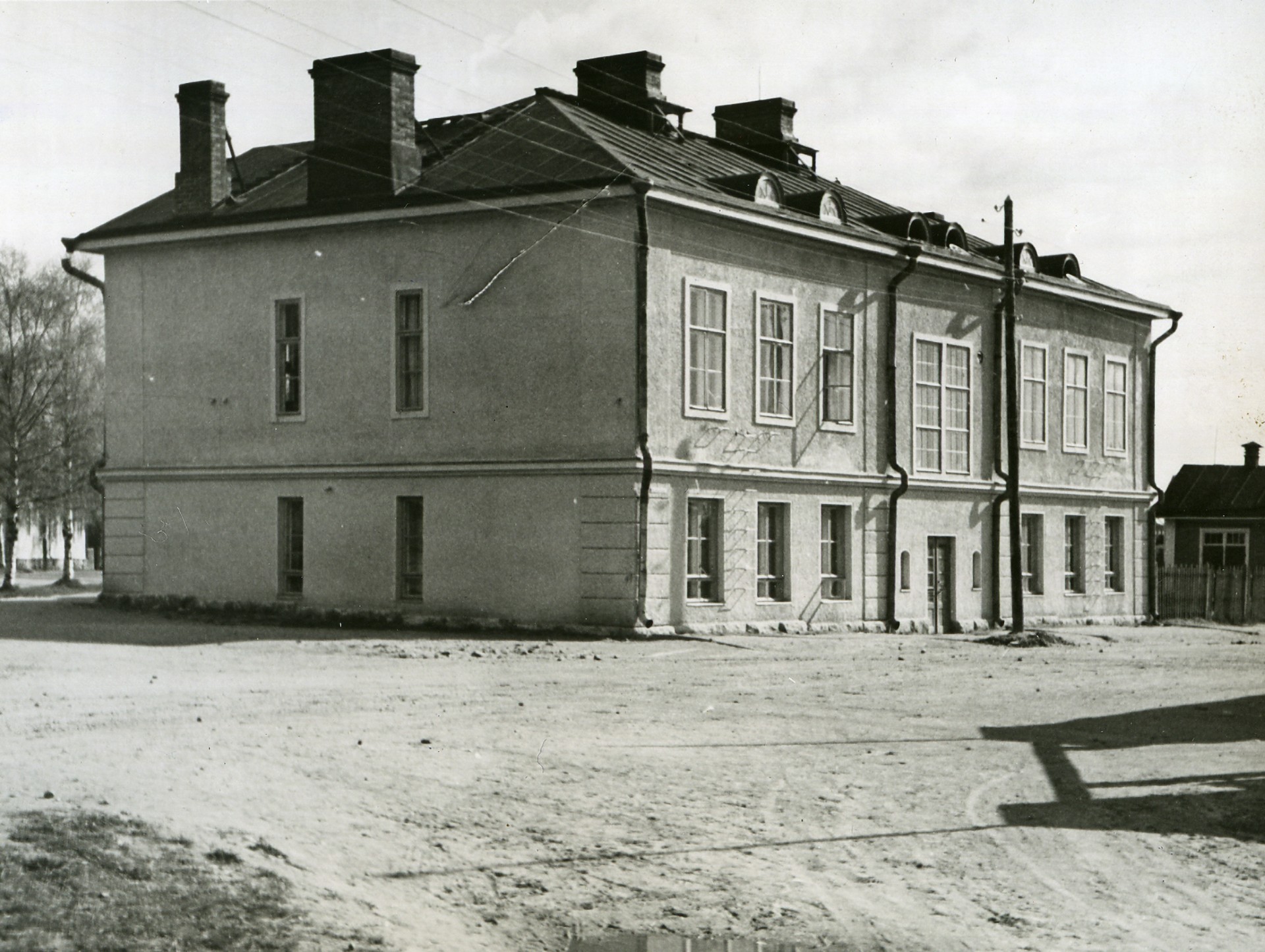
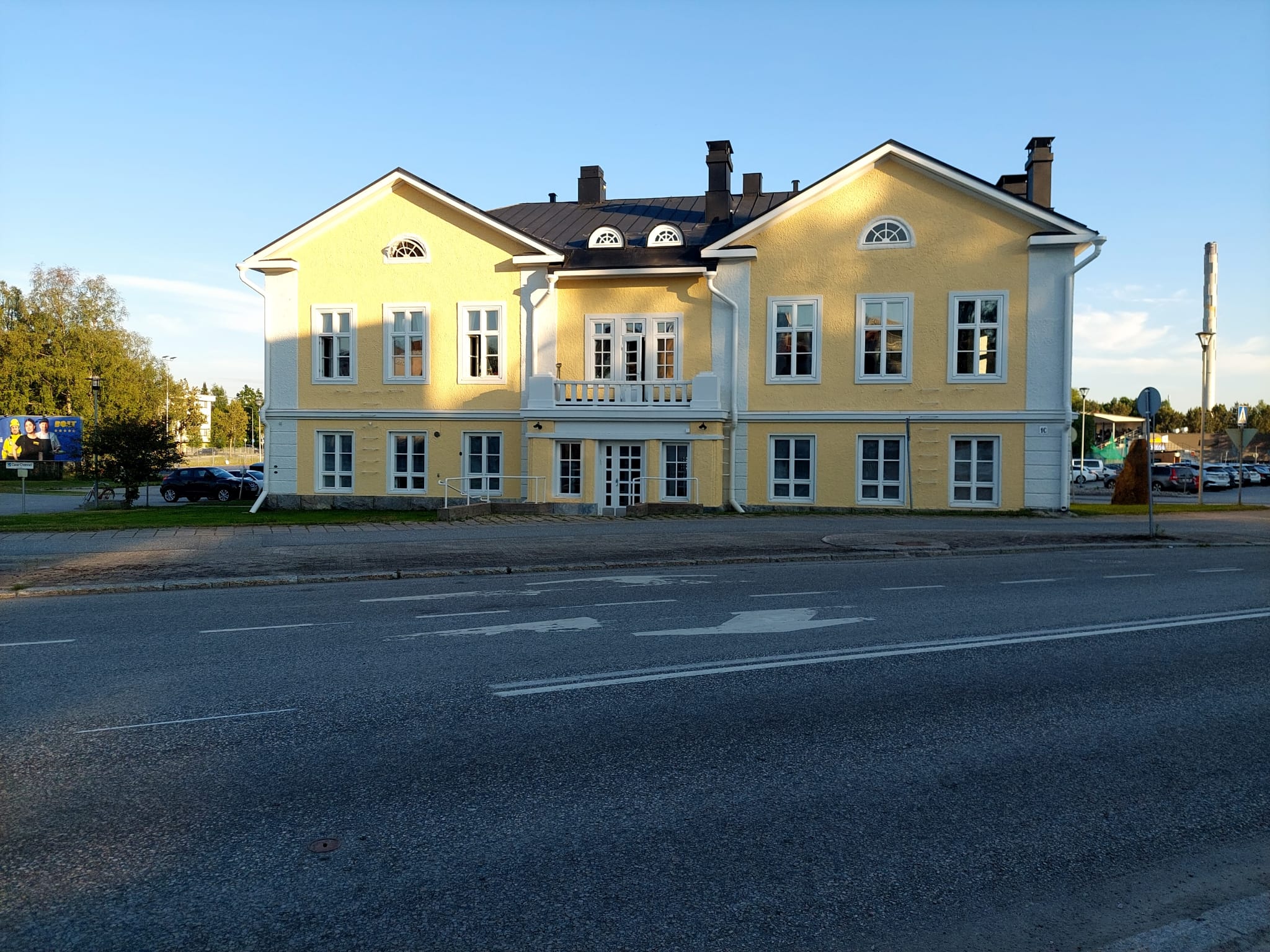
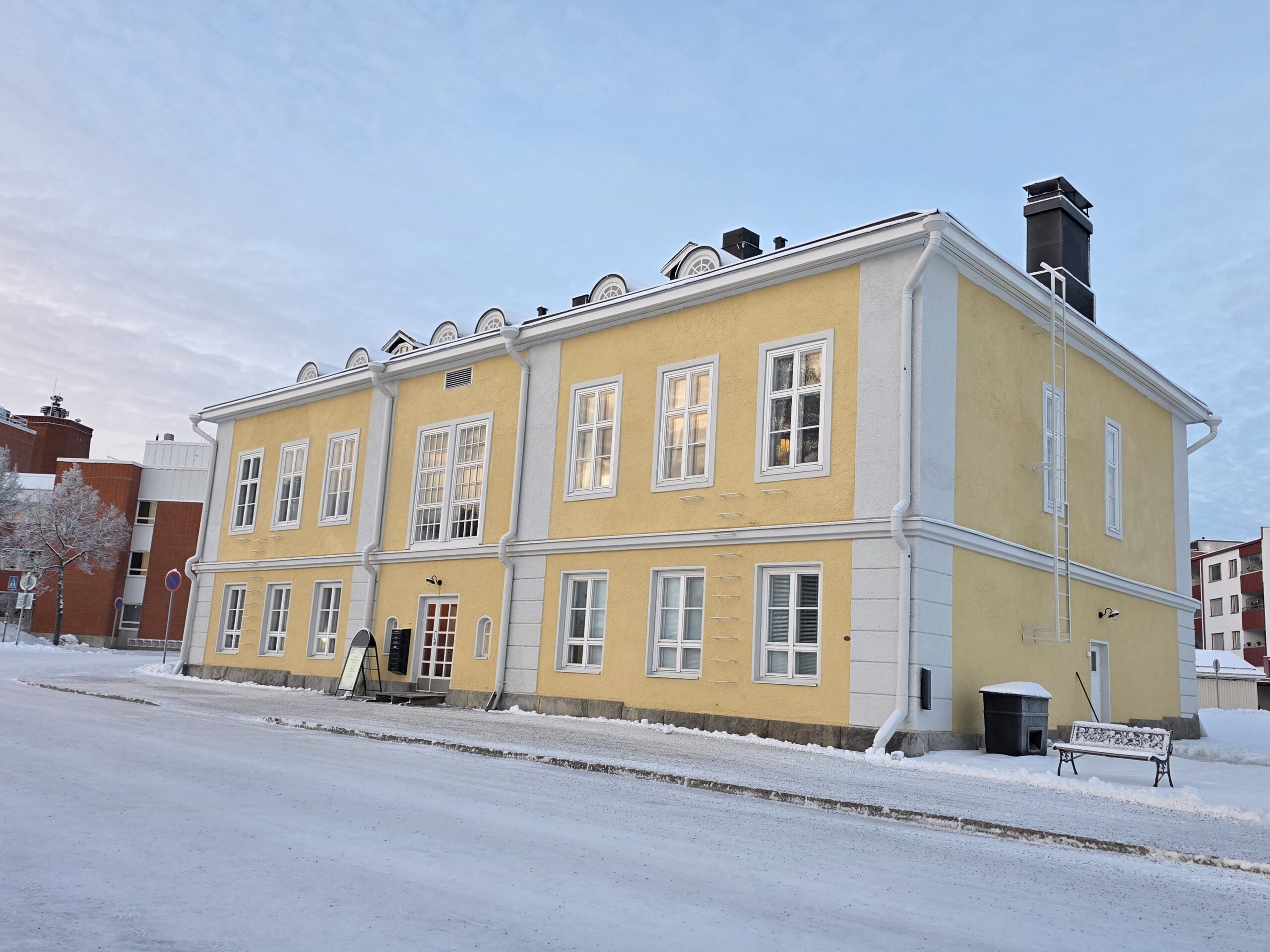
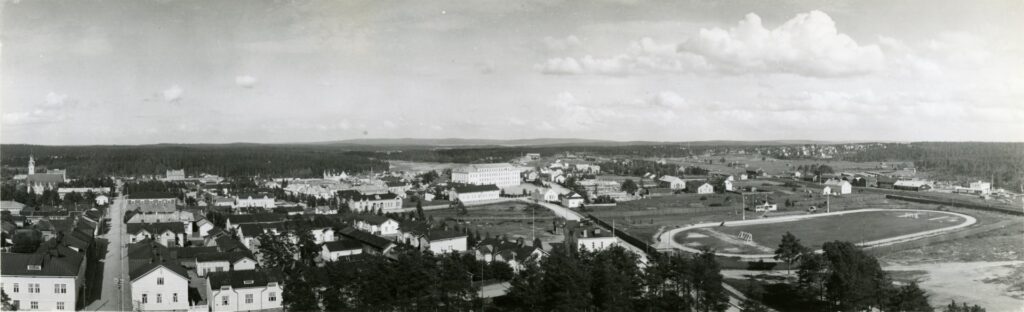
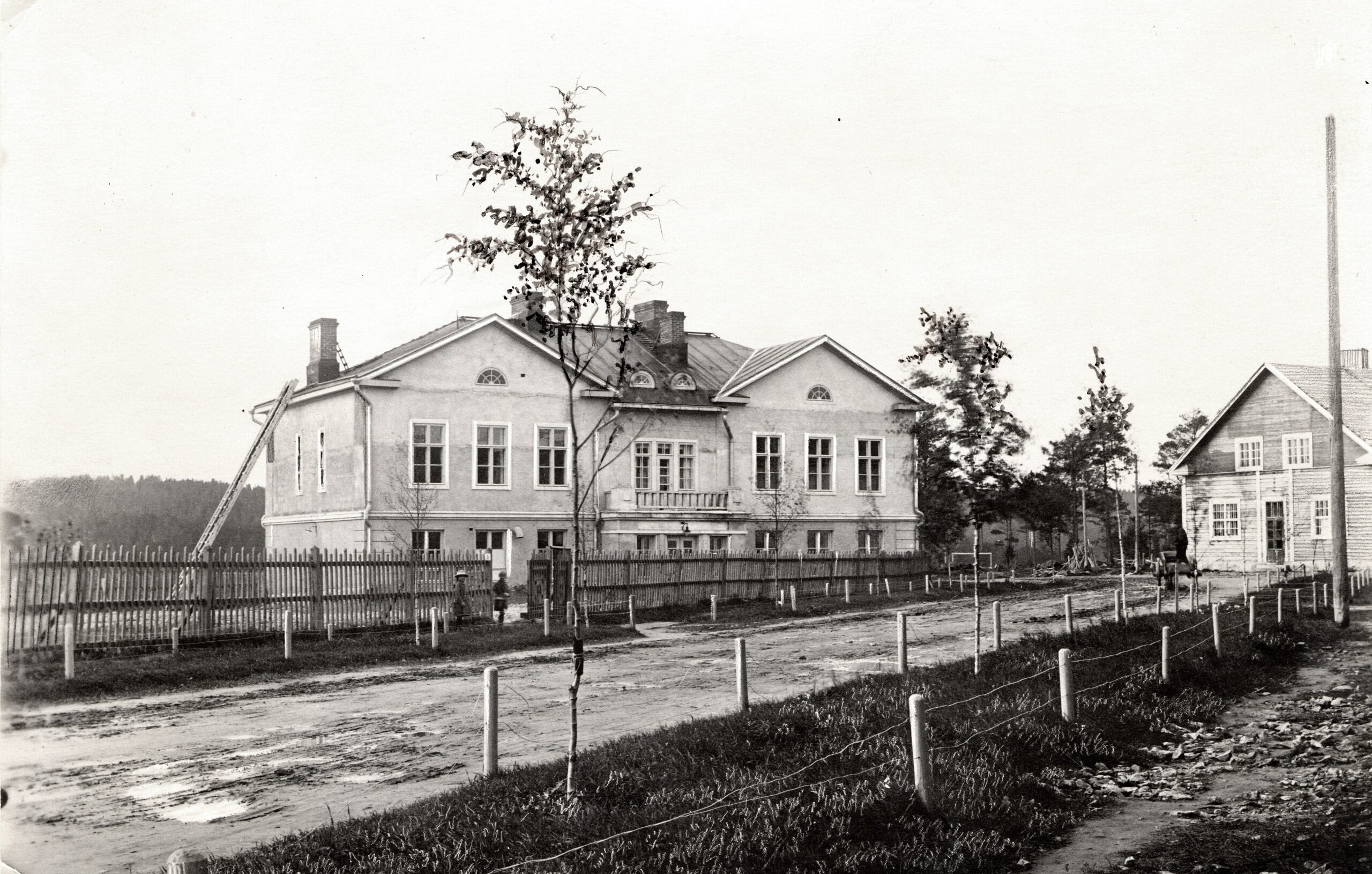
The school building was designed by Elis Veiste, assisted by master builder Makkonen. Vallenius also contributed to the planning. The school was located at the southern end of Lönnrotinkatu, which is why it was named Lönnrot Elementary School. The school had four classrooms, a school kitchen and a handicraft room. The building also featured a spacious hall that could be used as a gymnasium. It remained in use as a school until 1952.
As an office building
The building became the Lönnrotinkatu municipal office when the city’s building department, the electric utility, and the water utility were moved into the former school premises. (Kainuu Museum Archives, 24 Nov 2025, R. Heikkinen: Kasvatus ja koulutus Kainuussa: Kainuun koulutusjärjestelmän kehitys syyskuuhun 1945 mennessä, 240.)
Back in use as a school
The building returned partly to school use in the 1970s, when the technical school, the nursing school, and the school of handicrafts were each allocated some of the spaces to use jointly and in turns. A variety of clubs have also operated in the building. In 1982, the building was taken into use by the handicraft association. (Kainuu Museum Archives, 24 Nov 2025.)
In office use
The building was used as office premises by Kainuu’s business development company, Kainuun Etu Oy, in the early 2000s. The spaces were modified and equipped to meet the needs of its operations.
As a weapons museum
A weapons and military equipment museum operated in the building from 2014 to 2022. The museum displayed a wide range of World War II–era equipment and literature.
As a business center
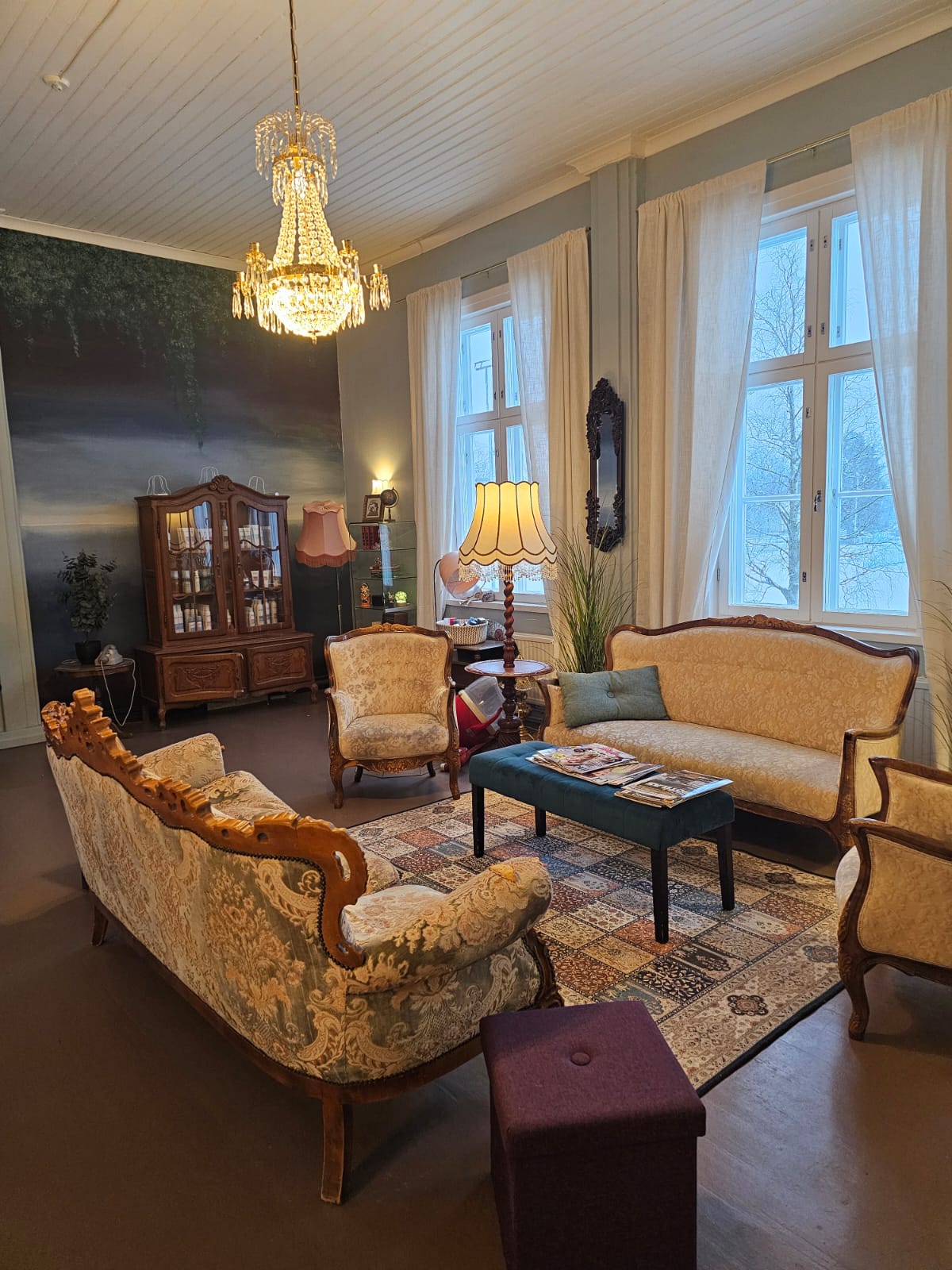
From late 2024 onwards, the renovated premises have reopened to the public through a variety of service-oriented businesses.
The Transformation of Lönnrot School into Commercial Spaces
The old Lönnrot School changed ownership in 2023. Shortly after the sale, an extensive renovation and restoration project was launched on the building, which had fallen into poor condition, respecting its original character and atmosphere.
The renovations have been carried out by Rovella Invest Oy.
Renovation of the building envelope
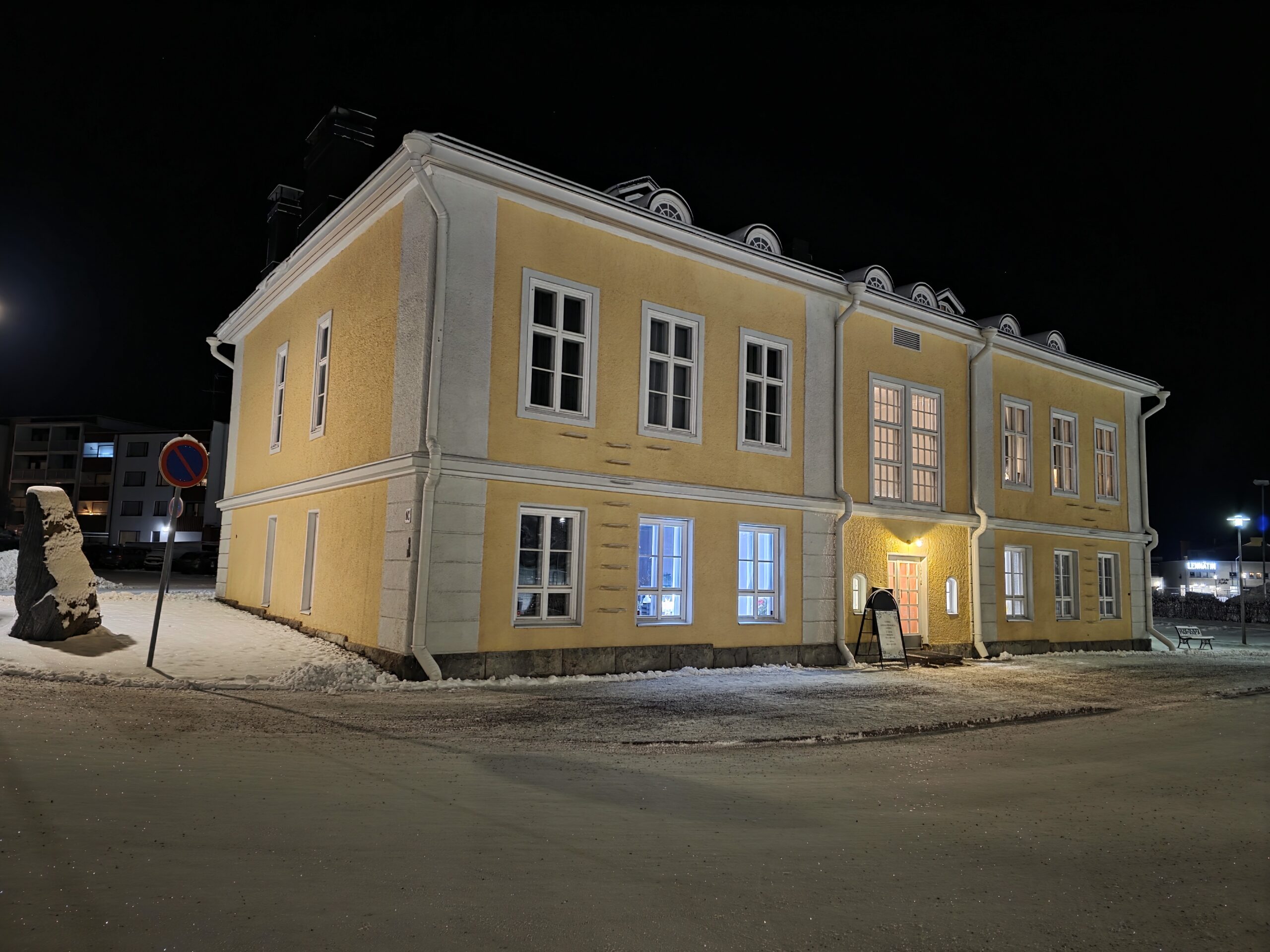
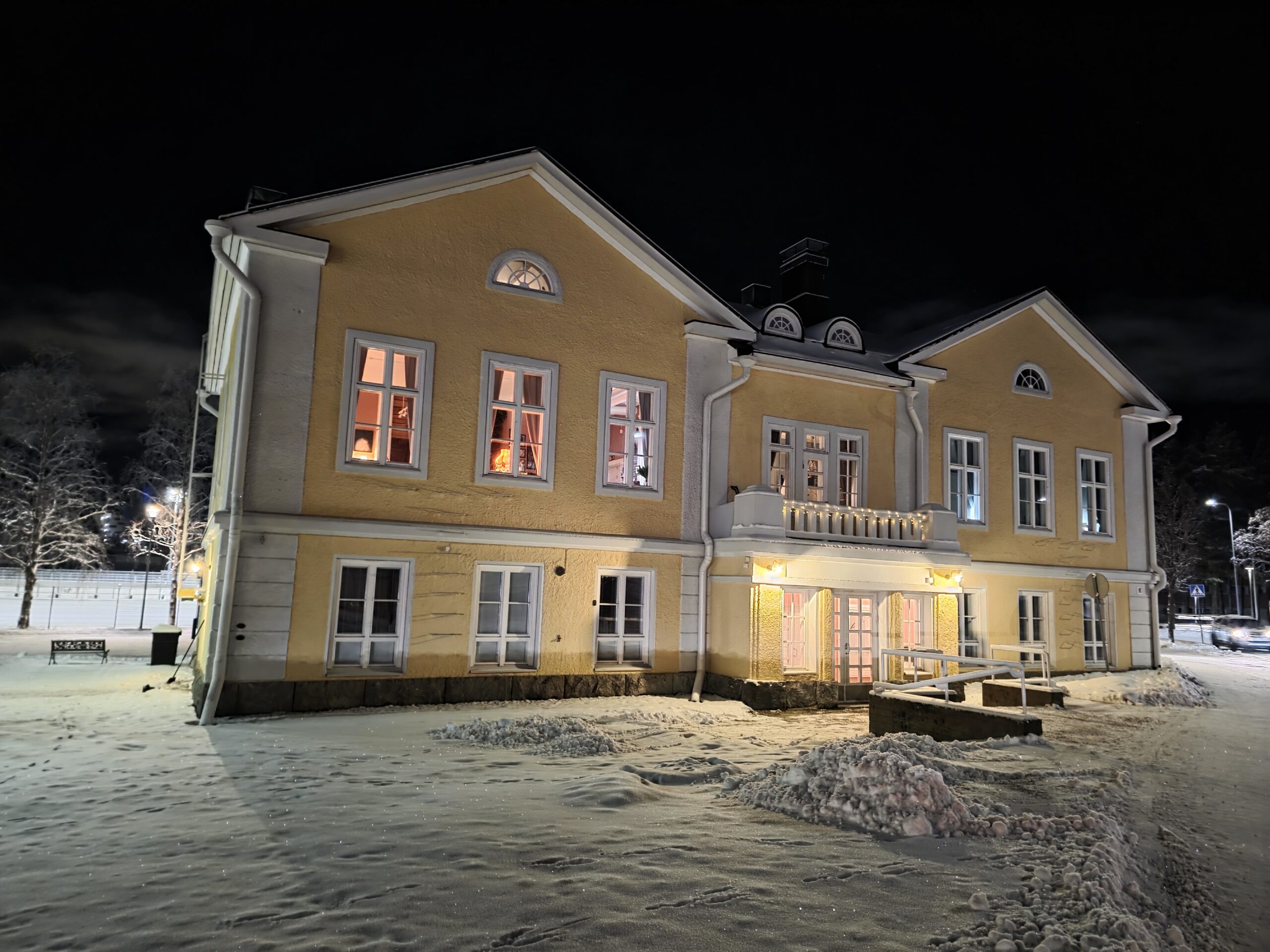
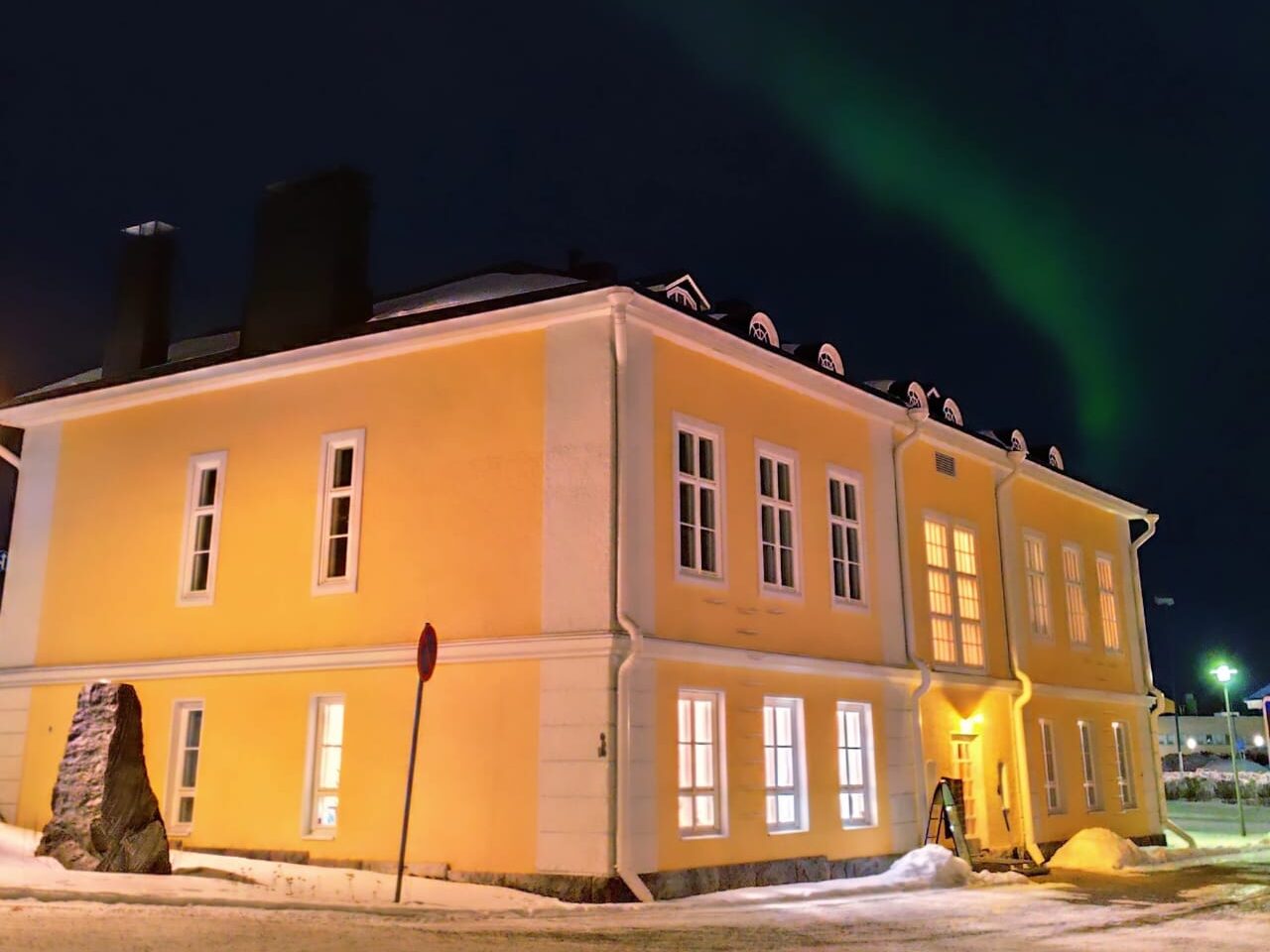
The renovation began with the building’s façade and structural elements. Plaster damage on the exterior walls was repaired and the balcony was partially reconstructed. Windows and exterior doors replaced in the 1980s were refurbished and a few original windows that had survived previous renovations were restored. The restoration of the roof was also included in the overall renovation project.
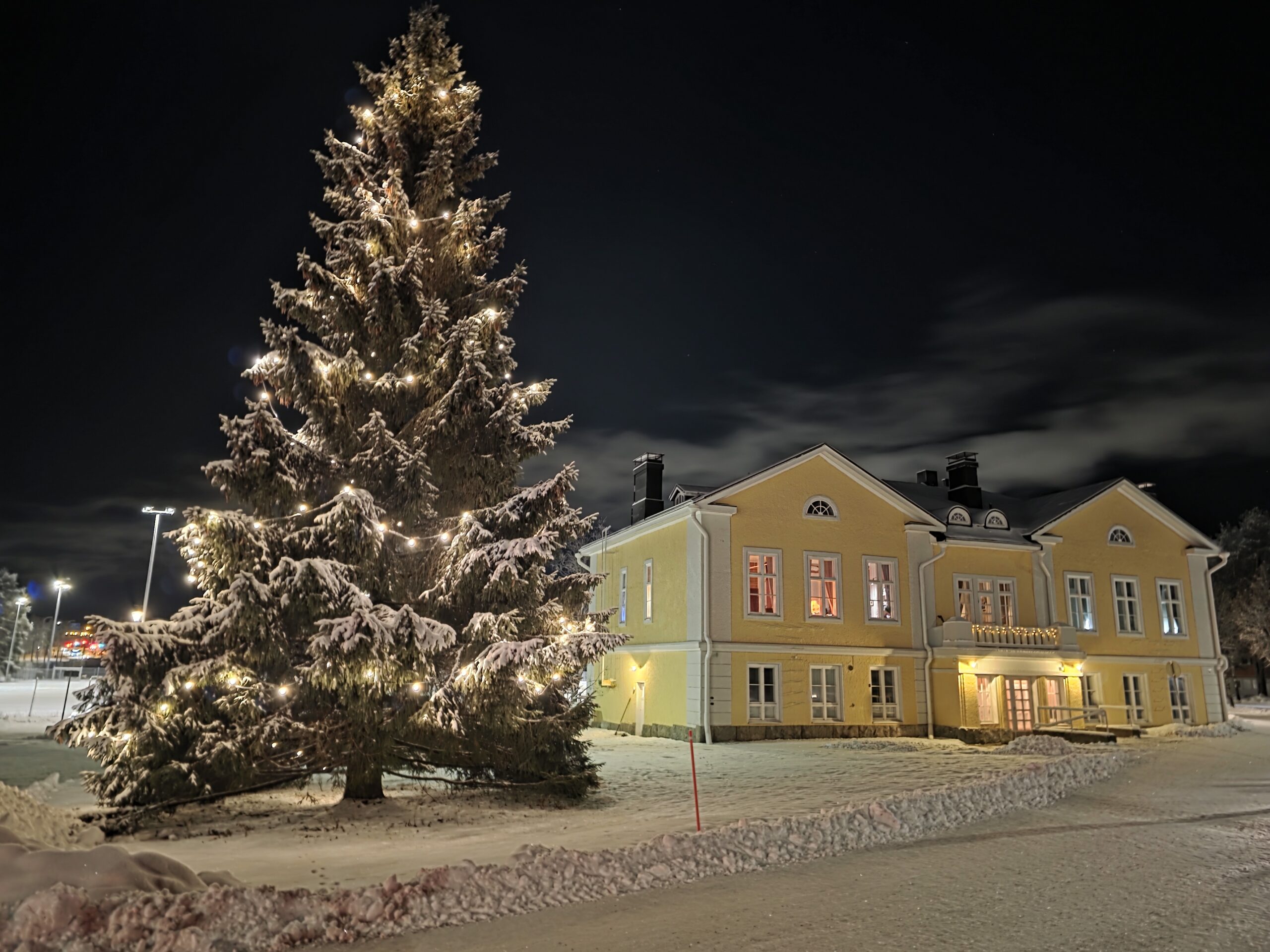
The building is protected under the town plan, so its exterior was preserved with its original appearance and colors. However, alterations from the previous 1980s renovation are still visible, particularly in the roof, windows, and exterior doors.
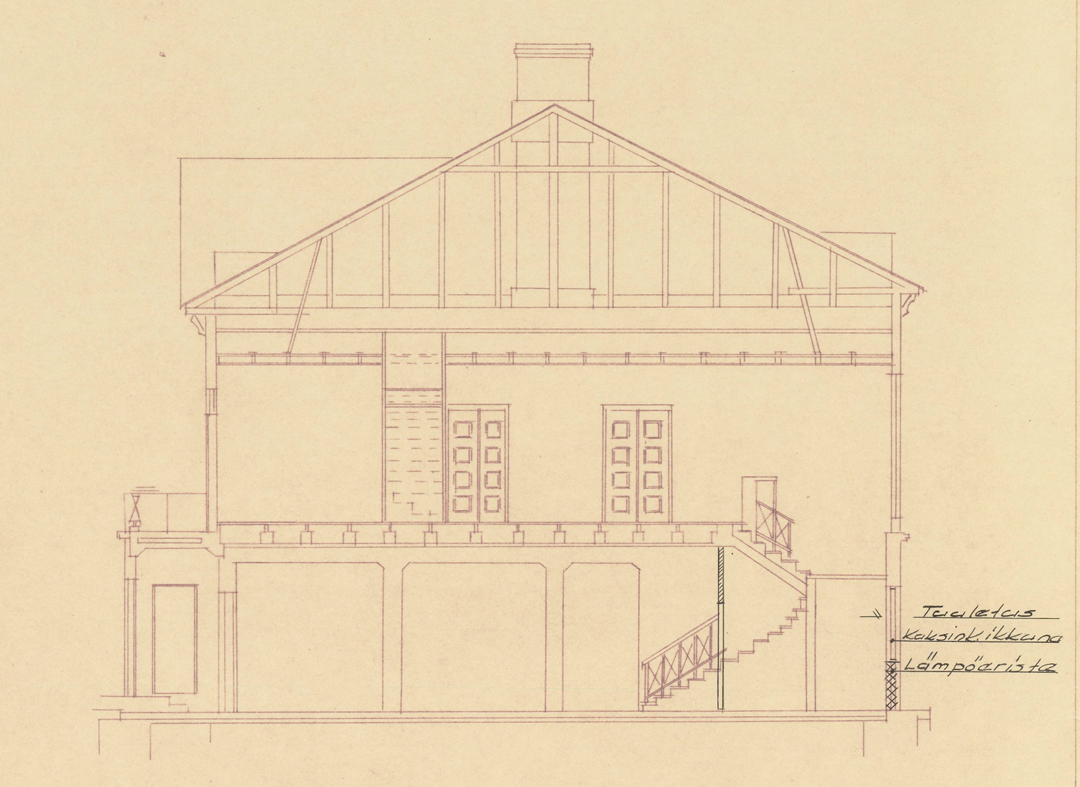
The building is relatively unique in Kajaani due to its uncommon structural design. The walls of the ground floor are made of solid brick, while the middle floor is constructed of logs. However, the façades are entirely plastered, giving the building the elegant appearance of a stone house. This type of design was used to some extent during the period of construction, but few such buildings have survived in the area.
Interior Renovation
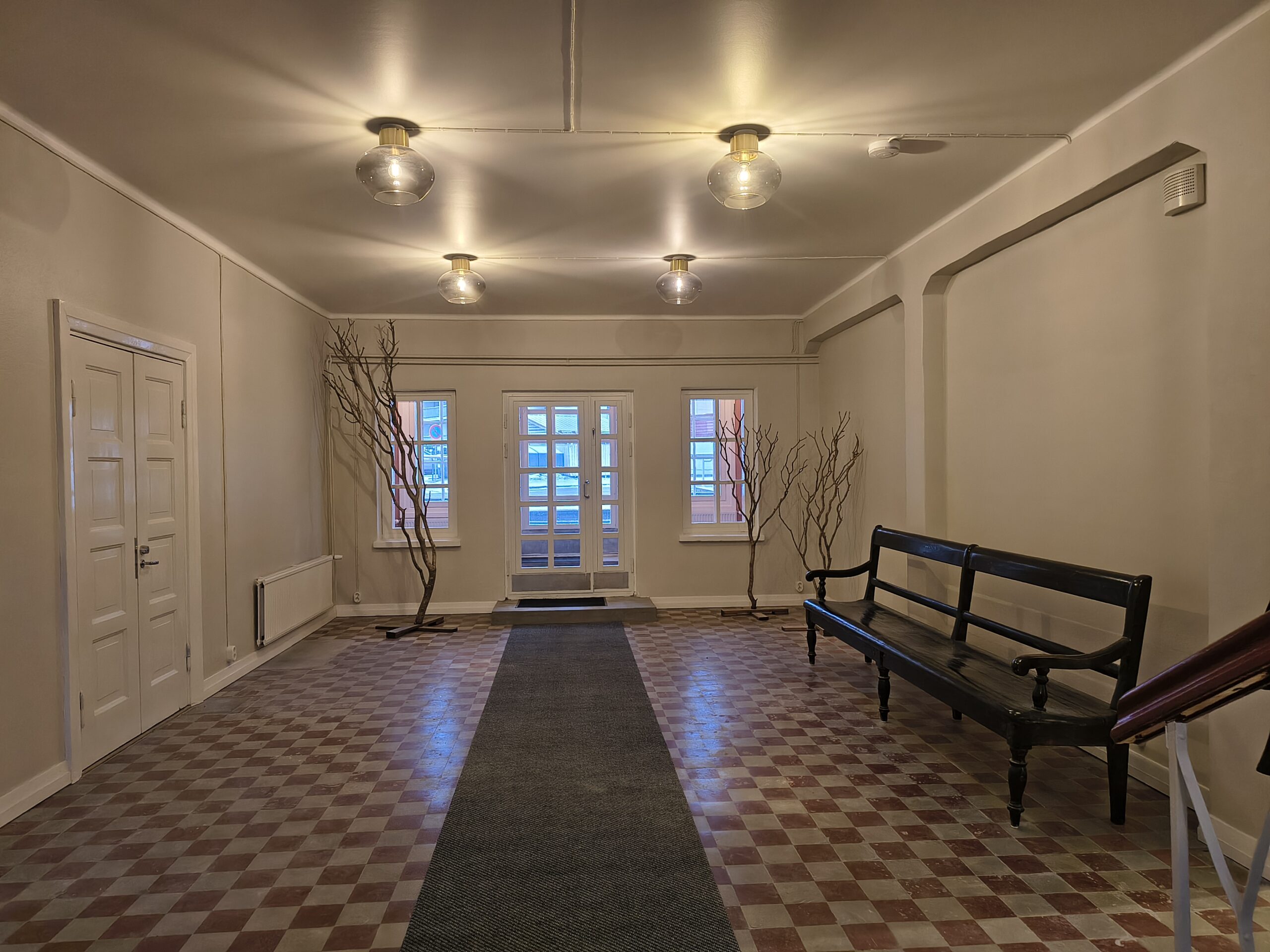
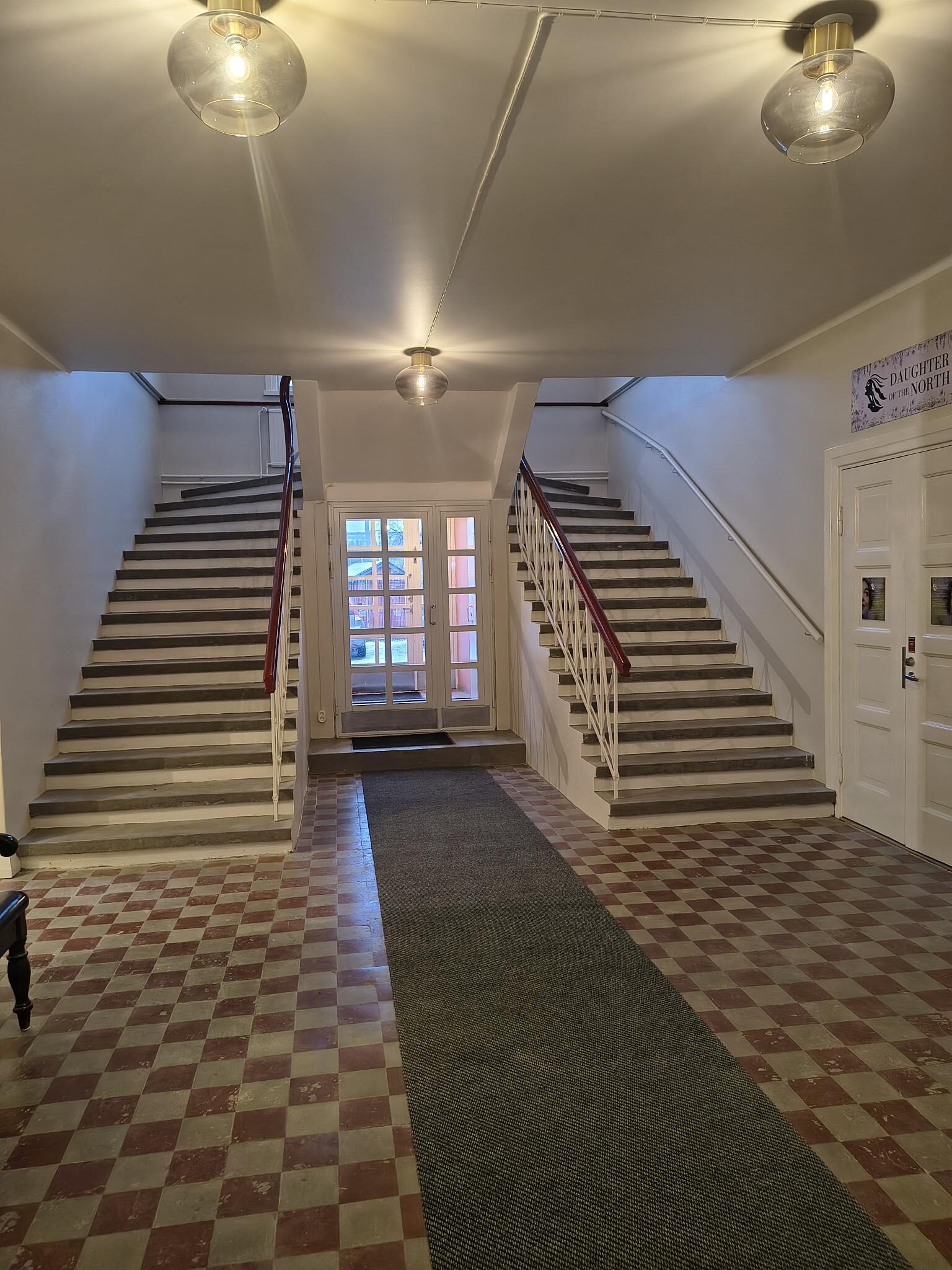
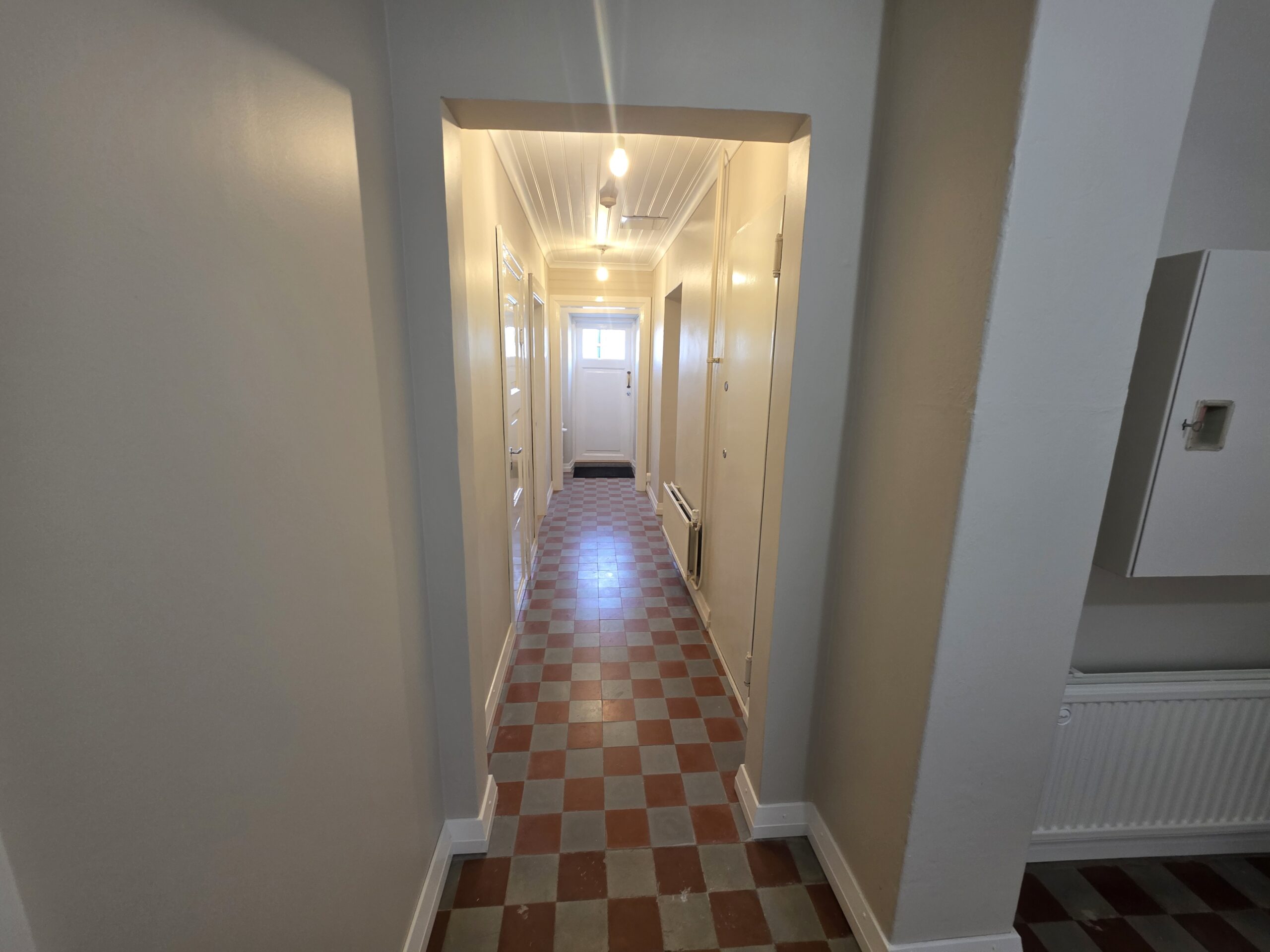
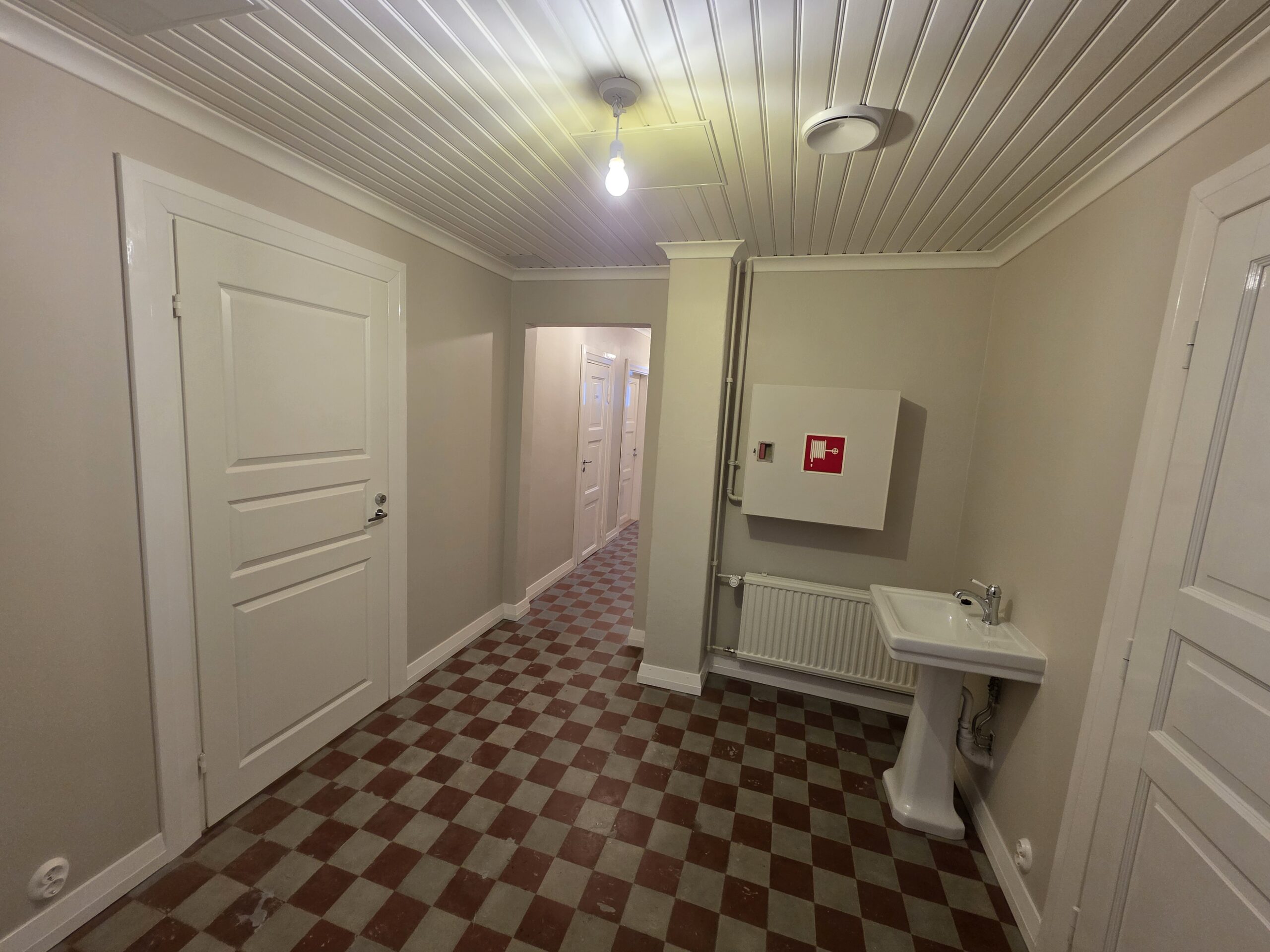
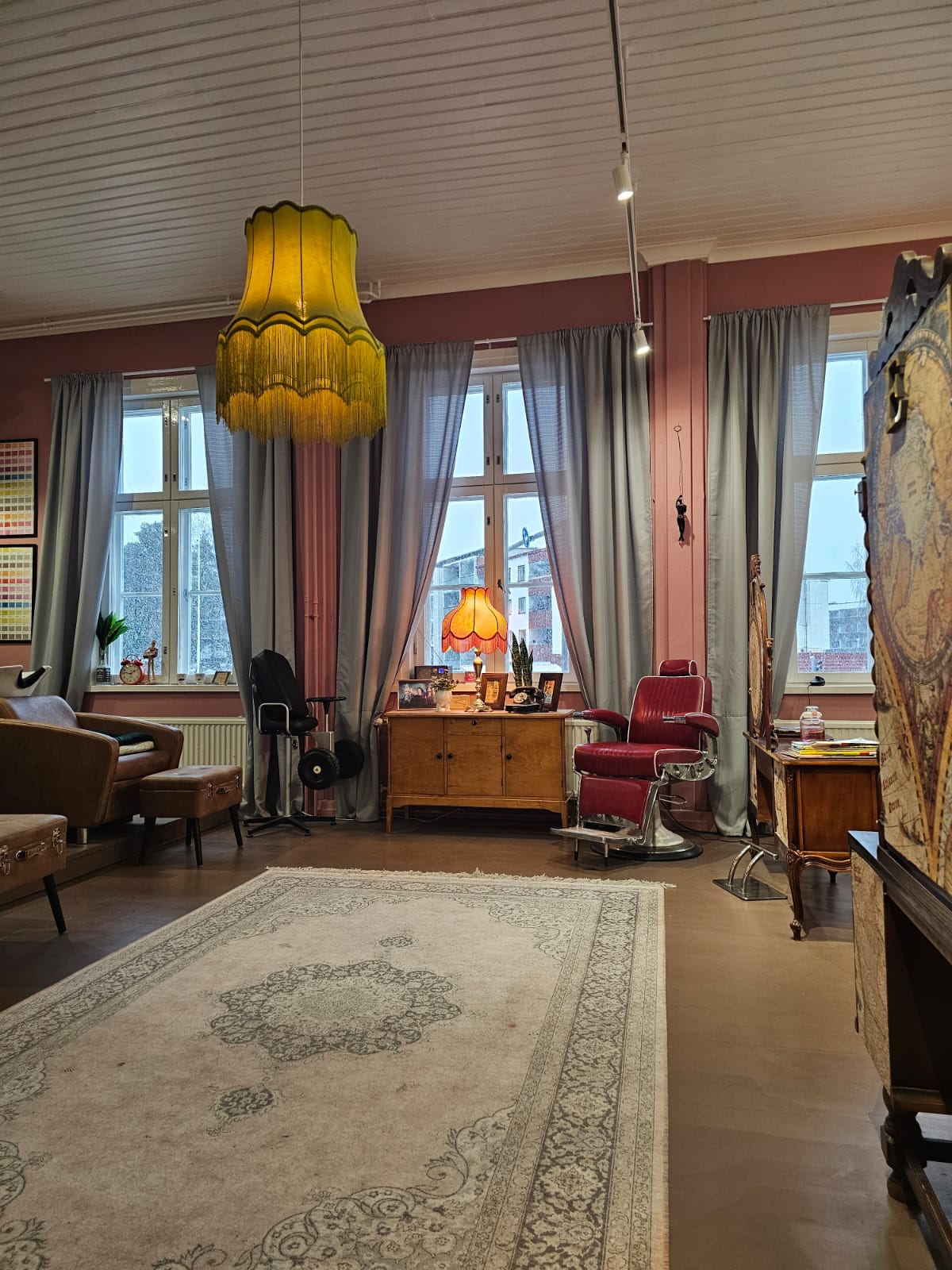
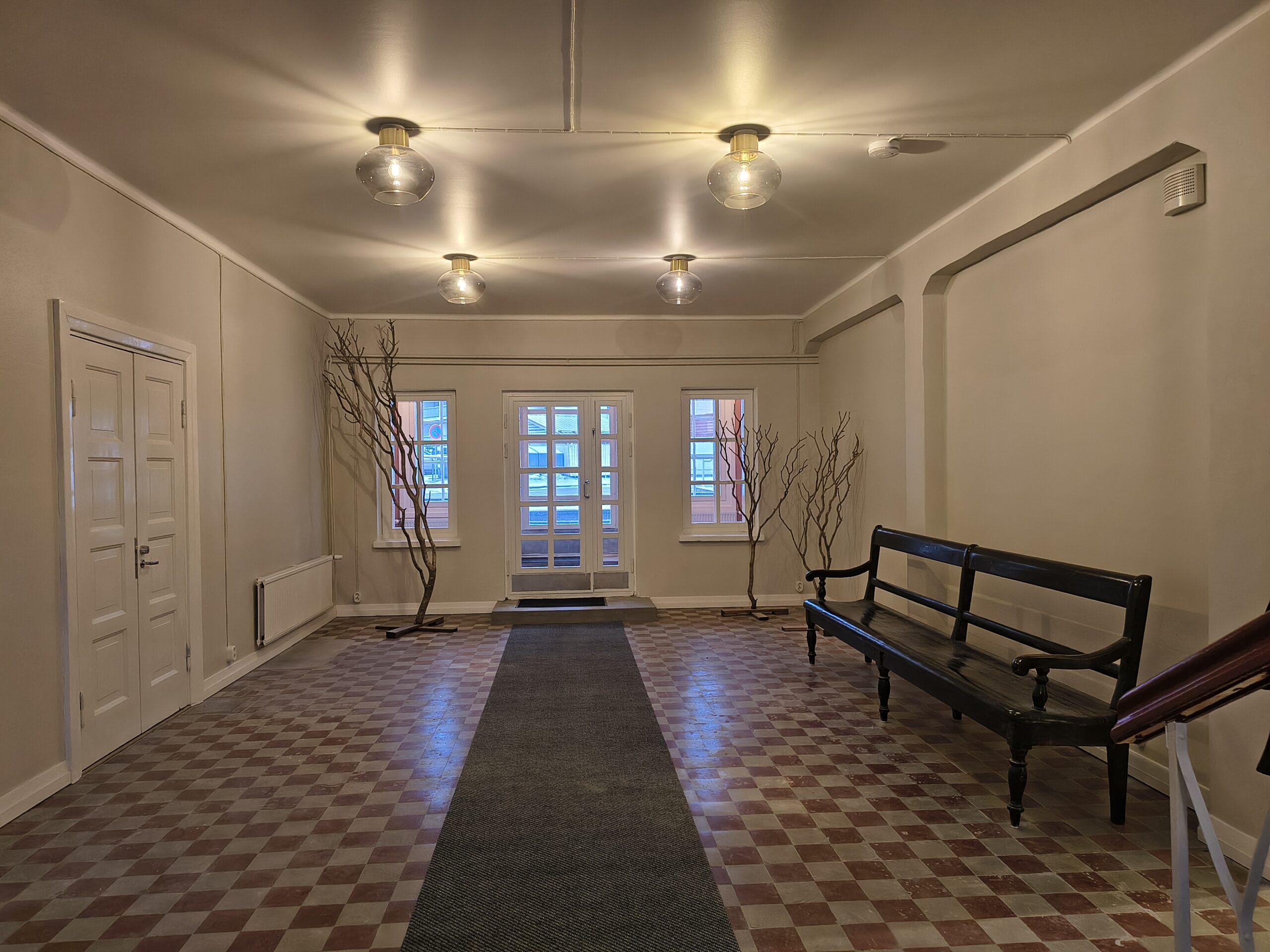
The interior renovation began with demolition work. Several layers of materials added during different periods were removed from the original surfaces. The original cement tiles of the ground floor were uncovered and restored for use. At the same time, new flooring was installed, replicating the original design. Traces of different periods, repairs, and modifications remain clearly visible on the ground floor surfaces. The color scheme of the tiling reflects the building’s original use as a school.
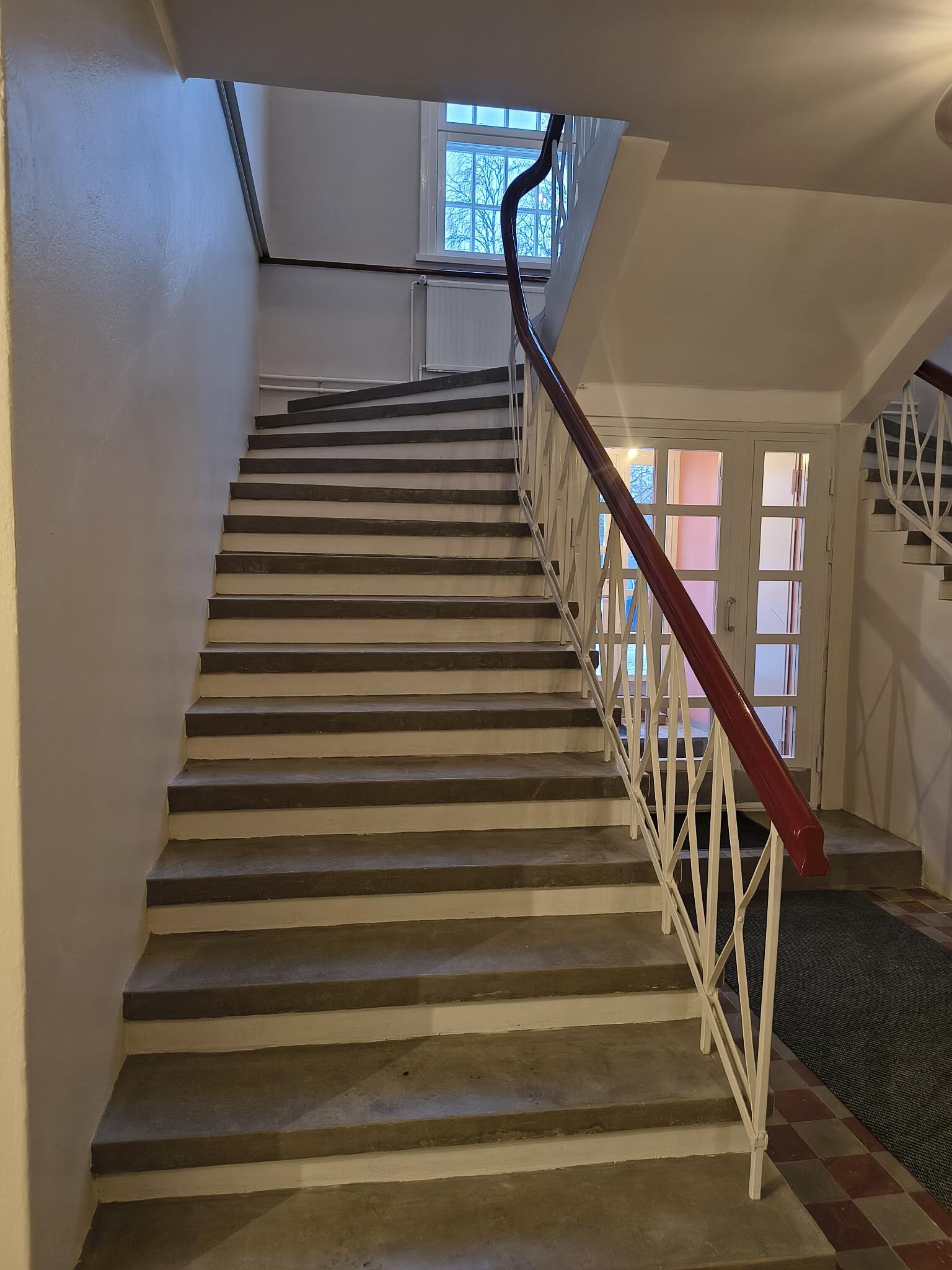
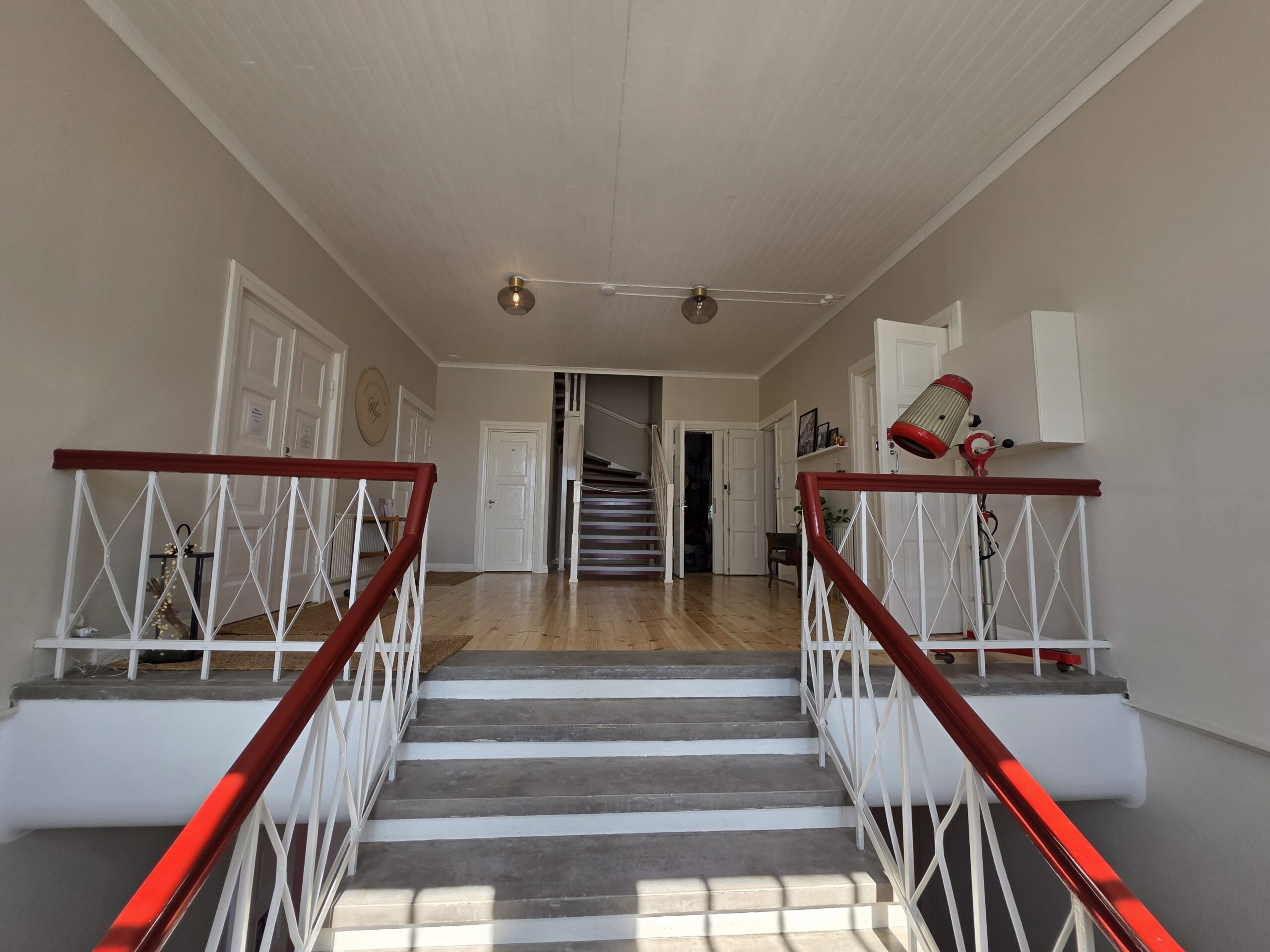
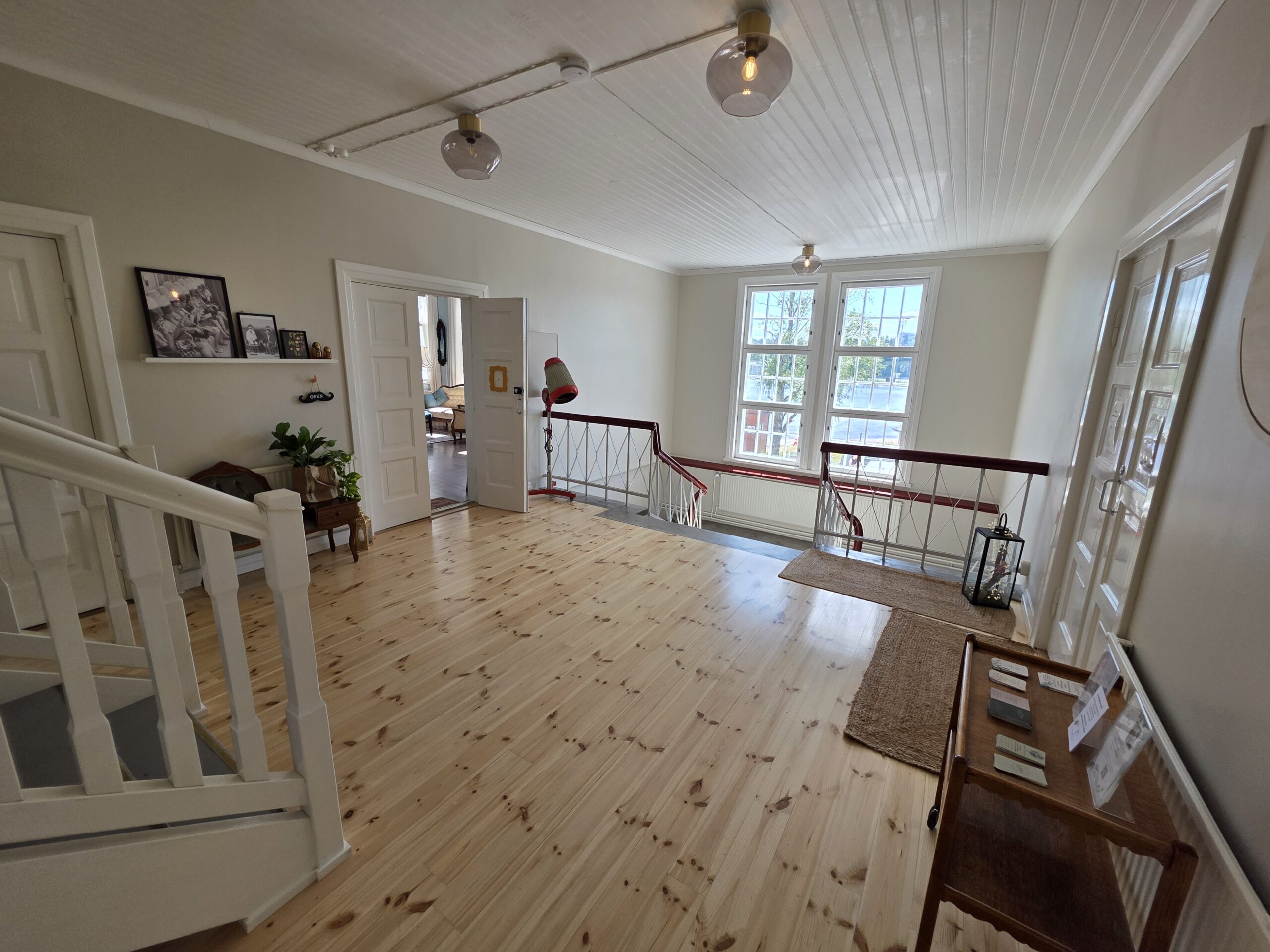
The original stairs and railings leading from the main lobby to the second floor were restored in a style that closely follows the original design.
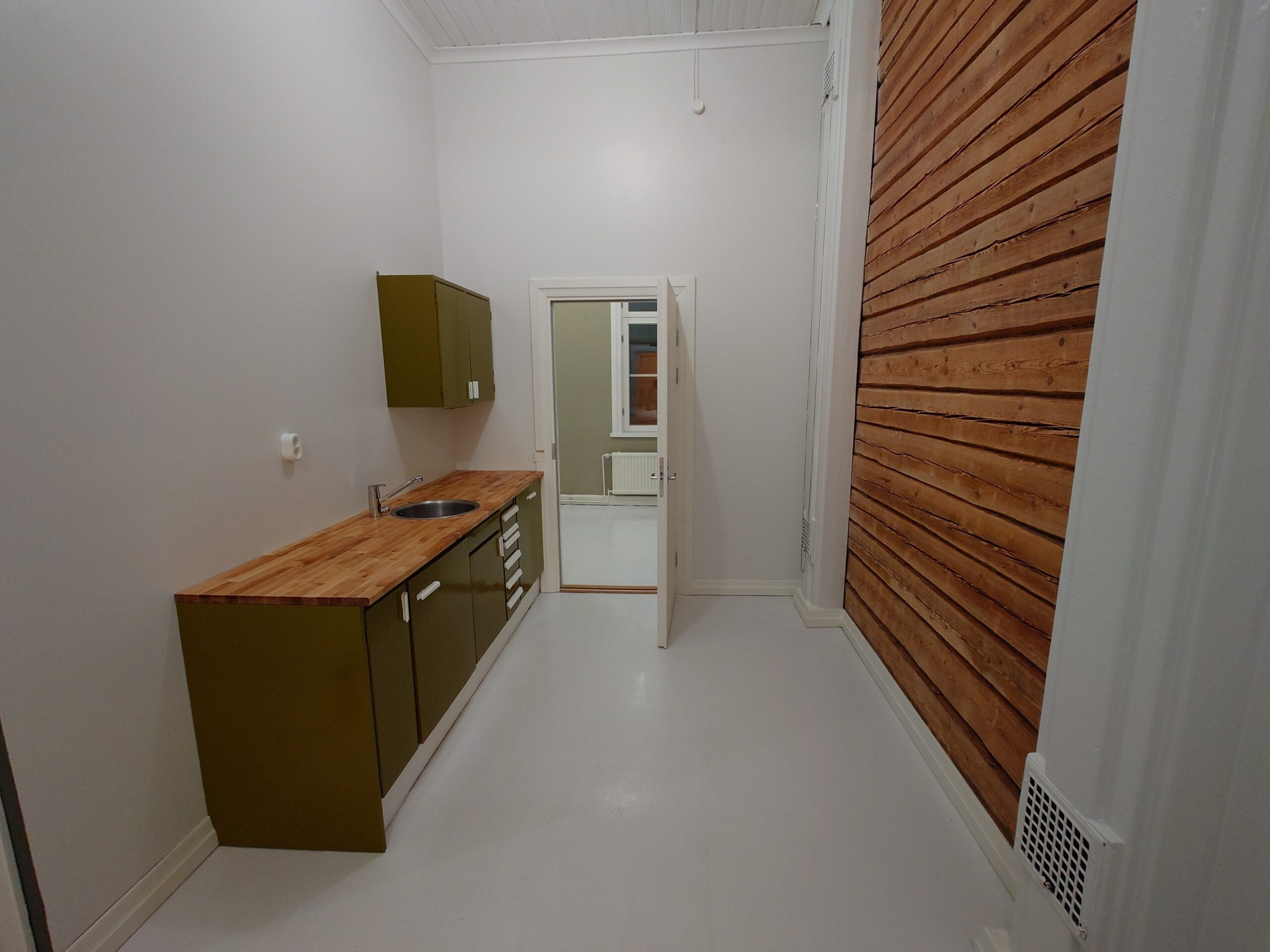
The original plank floors in the old classrooms on the middle floor were surface-restored as part of the renovation. The log walls on this floor were also exposed and made visible.
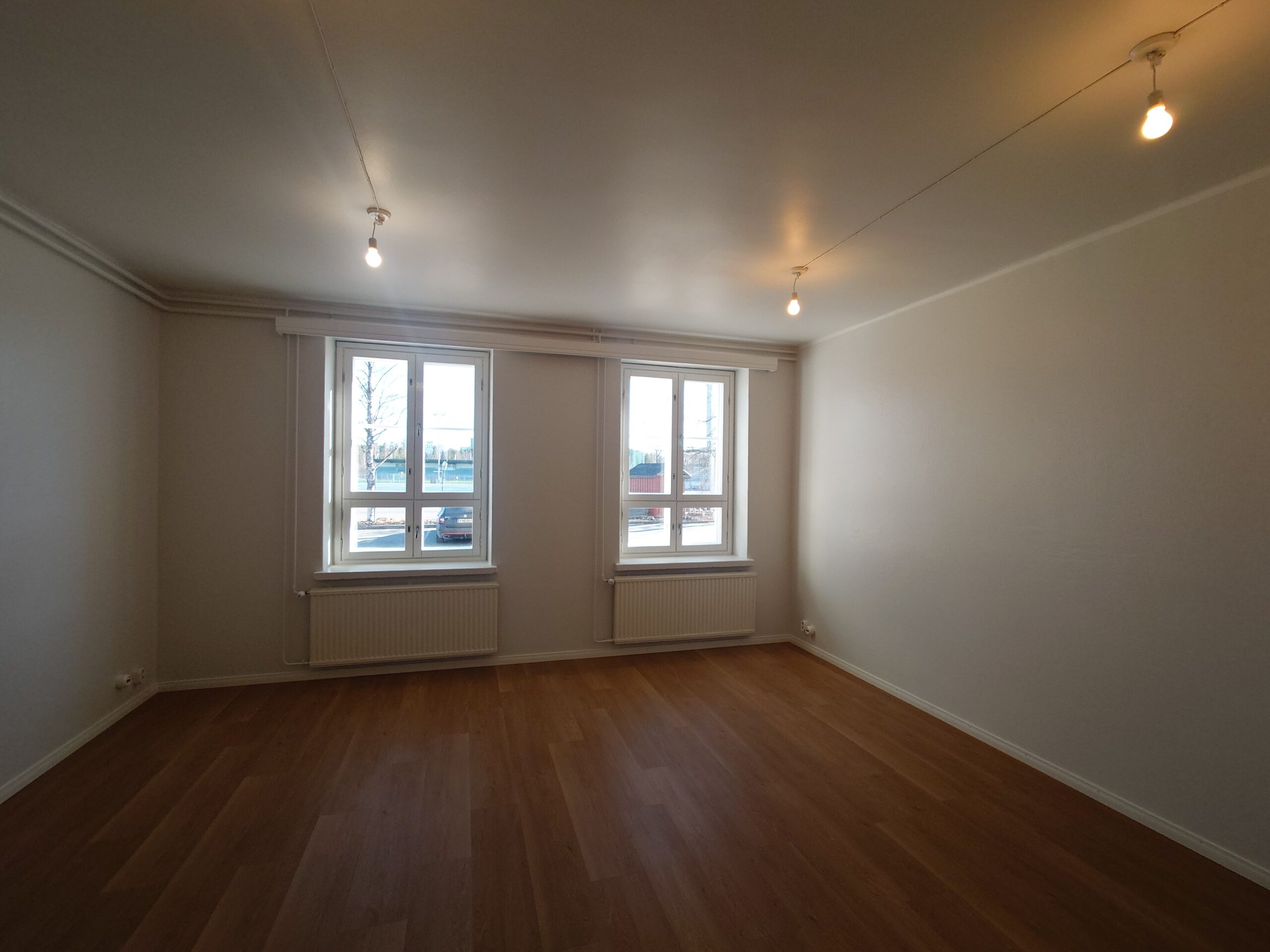
The surfaces were renovated to meet the tenants’ needs while respecting the original features. The renovation included alterations to the layout, with light partition walls being removed and rebuilt. However, the original load-bearing walls were largely preserved. The tenants’ requirements are clearly reflected in the room-specific modifications.
In the 1980s renovations, the building’s originally unheated attic was converted into a heated space and the stair arrangements leading to it altered the layout of rooms, including the former teachers’ lounge, from their original configuration.
During the renovation, the building’s technical systems were completely renewed. Significant additions and provisions were made to accommodate tenants’ needs and future scenarios. Going forward, modifications can be carried out very flexibly to meet tenant requirements.
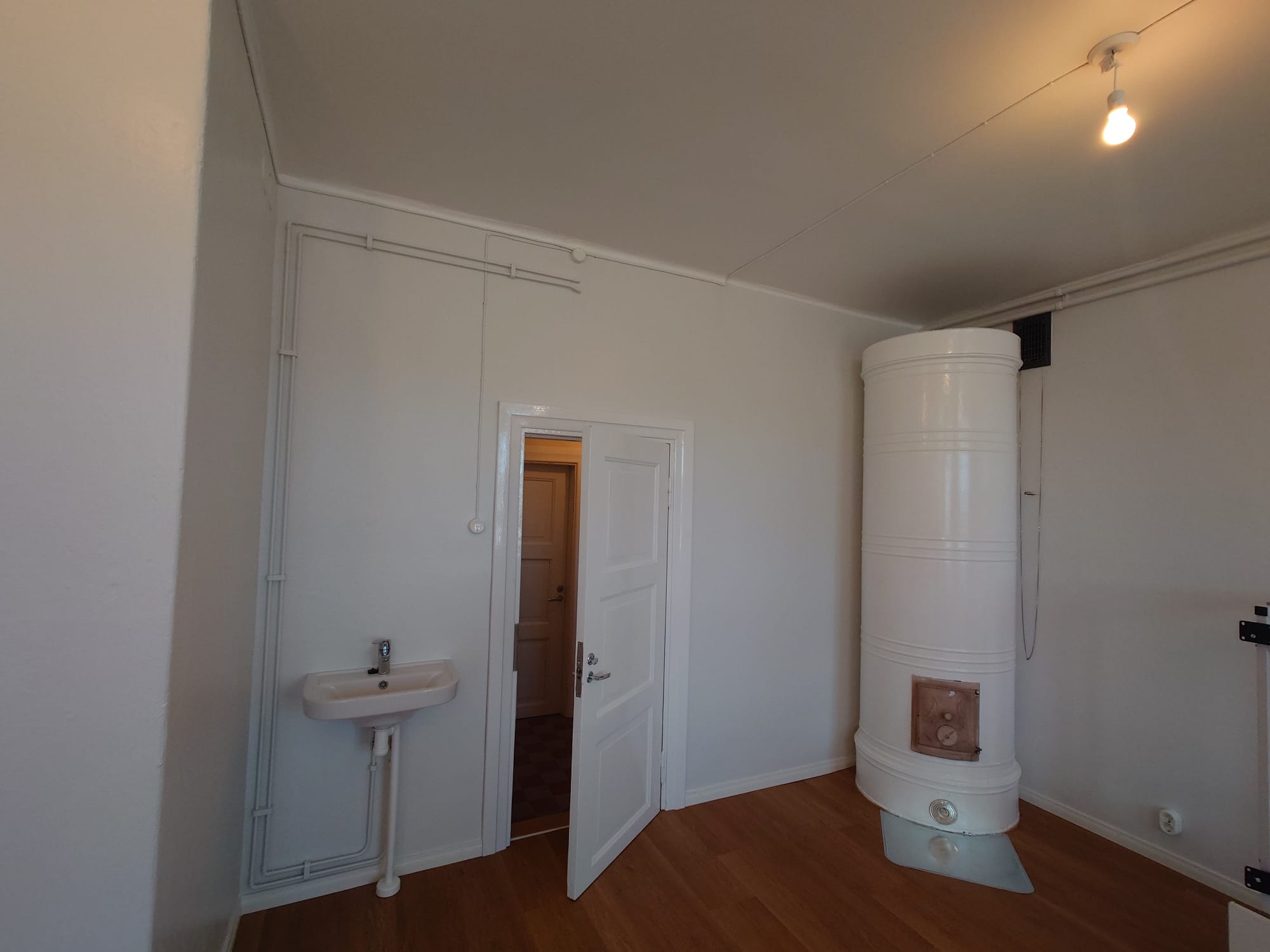
The building’s original four wood-burning fireplaces and one stove were restored to working condition. Other fireplaces that had survived previous renovations were retained as decorative elements. The building is heated with locally produced district heating, while the fireplaces are used to create a cozy atmosphere.
Progress of Commissioning
The first completed spaces were handed over to users at the end of 2024. Currently, all ground and middle floor spaces are in use by various businesses. Plans for the future use of the attic are underway.